
Merino wool is very fine wool from merino sheep, and the fibres typically measure between 17 and 23 micrometres in thickness. Cashmere comes from the cashmere goat and has even finer fibres, between 12.5 and 19 micrometres. Both materials are known for being soft and warm, but they differ in animal source, fineness and how much is produced.
Contents
When you're choosing a throw or a blanket for your home, you'll quickly come across the words merino wool and cashmere. Both are highlighted as something particularly soft and luxurious, but what do they actually cover, and is there a real difference between them? In this guide, we take a deep dive into the fibres, their properties and how to use that knowledge when choosing wool textiles for the living room or bedroom.
In short: what is merino wool and cashmere
Merino wool comes from the merino sheep, a breed of sheep that has been bred specifically to produce fine, even wool. The fibres are thinner than ordinary wool, which makes the fabric less scratchy against the skin. Cashmere comes from a completely different species, namely the cashmere goat, and here it's the goat's soft undercoat that's used. The undercoat from the cashmere goat is even finer than merino wool, which is one of the reasons why cashmere is often referred to as one of the most exclusive wool materials. So the difference is about both which animal the wool comes from and how thin the individual fibres are.
Merino wool: fibre thickness and properties
Merino wool has a fibre thickness of between 17 and 23 micrometres. The closer the fibres are to the lower end of the scale, the softer and finer the fabric feels against the skin. This is one of the reasons why merino wool is often used in textiles that sit close to the body, but also in throws and blankets, where softness matters.
Besides its softness, merino wool is known for being able to regulate temperature. This means it can keep you warm in winter, while not feeling overheated when the temperature rises. Merino wool can also absorb moisture up to 33 per cent of its own weight without feeling wet against the skin. This makes the material comfortable to have close to you, whether you're sitting under a throw on a cool evening or keeping it out for everyday use.
Many merino products are treated with what's called superwash. This is a treatment that makes the wool easier to wash, partly by preventing it from felting. However, superwash is a chlorine treatment that has an environmental impact, which is worth bearing in mind if this matters to you.
Cashmere: from the cashmere goat to fine yarn
Cashmere wool, also called cashmere, comes from the cashmere goat. It's not the goat's outer coat but the soft undercoat that's used for yarn and textiles. This undercoat is remarkably fine, with a fibre diameter of between 12.5 and 19 micrometres, which makes cashmere finer than merino wool.
A single goat produces only between 100 and 160 grams of cashmere fibres per year. This explains why cashmere is generally considered a rarer and more exclusive material than merino wool, where the yield per animal is far greater. Today, cashmere wool is mainly produced in China and Mongolia, where the climate and tradition of goat farming have created good conditions for this particular type of wool production.
Tip: The lower the fibre thickness figure, the finer and softer the material typically feels. Use the figures from the product label as a quick guide when comparing textiles.
Merino wool and cashmere side by side
Here you can see the key differences between merino wool and cashmere summarised in an overview.
| Property | Merino wool | Cashmere |
|---|---|---|
| Origin | Merino sheep | Cashmere goat |
| Fibre thickness | 17-23 micrometres | 12.5-19 micrometres |
| Feels | Soft, with good moisture regulation | Very soft, often finer than merino wool |
| Typical use | Throws, blankets and textiles close to the body | Exclusive textiles, where fineness is highly valued |
How to choose wool for a throw, blanket and cushions
When you're choosing a throw or blanket for your home, it's a good idea to look at the product label. Here you can see what type of wool the textile is made from, and often something about the fibre thickness too. This gives you an indication of how soft the material will feel and how much everyday use it can withstand.
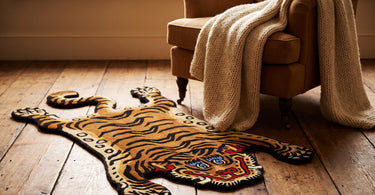
The shop has a selection of wool blankets and throws, where the material is always stated on the individual product page. Among the examples are a Tiger blanket in wool from Bongusta and a Dragon blanket in wool from Bongusta, both of which can be part of a larger blanket and throw selection for the living room. There's also a Pink leopard blanket in wool from Doing Goods, which shows that wool blankets can easily be both colourful and soft at the same time. Whichever blanket you're looking at, it's always worth checking the product page to know exactly what material you're getting.
For a throw used close to the skin on the sofa, a finer fibre can make a big difference to comfort. For a larger blanket on the floor or bed, a slightly thicker wool can, on the other hand, be more robust in everyday use. Cushions with wool covers can advantageously be chosen using the same principle: the closer they lie to the skin, the more worthwhile it is to look for a fine fibre.
See the selection of wool blankets and find the right one for your living room.
See wool blanketsCaring for wool
Wool, whether it's merino wool or cashmere, requires its own type of care to stay looking good. You can read more about how to best wash and look after your wool textiles in the article about how to wash wool.
Frequently asked questions
What is merino wool?
Merino wool is a fine wool from merino sheep with a fibre thickness of 17-23 microns, known for being soft and temperature-regulating.
What is cashmere?
Cashmere is wool from the cashmere goat's soft undercoat, with a fibre diameter of 12.5-19 microns, making it finer than merino wool.
What's the difference between merino wool and cashmere?
Merino wool comes from sheep and has fibres between 17 and 23 microns, while cashmere comes from the goat's undercoat and has fibres between 12.5 and 19 microns, making it finer.
Is merino wool warm?
Yes, merino wool can regulate temperature and absorb moisture of up to 33 percent of its own weight without feeling wet, making it warm and comfortable to wear.
What is superwash?
Superwash is a treatment of wool, often chlorine-based, that makes the wool easier to wash, but which also has an environmental impact.
Where does cashmere come from?
Cashmere wool comes from the cashmere goat and is today produced mainly in China and Mongolia.
Summary
Merino wool and cashmere are both known for softness and warmth, but they come from different animals and have different fibre finenesses. Merino wool from merino sheep ranges from 17-23 microns, while cashmere from the cashmere goat is finer at 12.5-19 microns. When choosing a throw, blanket or cushions for your home, you can use these figures as a guide, and always check the product page's label to know exactly what you're getting.
Read also
- What's the difference between cotton, linen and wool in home textiles?
- What's the difference between a throw and a blanket?
- How do you care for and wash a throw?
- How do you wash wool? Care of wool blankets and wool textiles
Find your next throw or blanket
Dinna has hand-picked a selection of wool blankets and throws, where the material is always stated on the product page.
See throws