
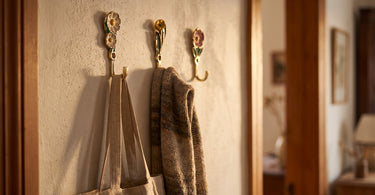
Brass is an alloy of copper and zinc, where the mixing ratio varies according to use. The yellow colour is reminiscent of gold, and that's why brass has colloquially been called poor man's gold.
Contents
Brass is one of the metals you come across everywhere in home decor, from pots to hooks and knobs on cupboard doors. But what exactly is this material, and why does it have that warm, golden colour? Here you'll get the short, factual answers on composition, properties and the difference to related metals such as bronze, copper and gold.
What exactly is brass?
Brass is an alloy, meaning a mixture of several metals. It comes from mixing copper and zinc, possibly with a smaller content of other metals. The mixing ratio between copper and zinc can vary, depending on what the brass is to be used for. It's precisely this varying ratio that makes brass such a versatile material, both in industry and in objects for the home.
Because the yellow colour is reminiscent of gold, brass has colloquially been called poor man's gold. This is a description of the appearance, not the value, as brass is not a precious metal.
Composition: yellow and red brass
There are several types of brass, and they're characterised by the ratio between copper and zinc.
- Ordinary yellow brass consists of around 62 per cent copper and 38 per cent zinc and has a melting point of around 900 degrees.
- Red brass contains more copper, around 90 per cent, and around 10 per cent zinc. It melts at 996 degrees.
The more copper, the redder and warmer the colour tone becomes. That's why you can see small variations in shade on brass products, even though they're all called brass.
The difference between brass, bronze, copper and gold
Brass is often mistaken for other metals, because they can resemble each other in colour and surface. Here's the short explanation of the differences.
- Like brass, bronze is an alloy, but bronze is a mixture of copper and tin, not zinc.
- Copper is a pure metal, while brass is an alloy in which copper is combined with zinc.
- Gold is a precious metal and not the same as brass, even though the golden colour can make it hard to tell the difference at first glance.
Properties of brass
Brass cannot be hardened the way steel can. This means you can't make the material harder through heat treatment in the same way as with certain other metals.
Pure brass isn't magnetic. If you find that an object made of brass is attracted to a magnet, this can be a sign that it's actually an item made of iron with a brass coating, as iron can be magnetic even when coated with brass.
The melting point varies according to type, as described above, from around 900 degrees for yellow brass to 996 degrees for red brass.
Tip: want to check whether an object is genuine brass or just brass-coated iron, you can hold a magnet up to it. Pure brass isn't attracted to the magnet.
Why brass in interior design
Brass is often used in home accessories, because the golden, warm colour gives a room character without seeming cold or hard. At the same time, the material is durable, and over time brass can develop a patina, which many feel gives the objects more soul.
In the shop you'll find, among other things, a Kløver pot in brass and a Bailey circus pot in brass, both of which can be used as decorative storage pieces. There are also Flower hooks in brass in a set of three, a Turtle hook in brass in the small version, and a Shell cupboard knob, all of which fit in wherever you want a little glimpse of brass in the details. All items in the shop are handpicked by Dinna.
See the range of brass pots and find the one that suits your home.
See jars in brassPolishing and care of brass
If you want to know how to keep your brass looking good over time, you can read more in the articles about how to polish brass and how to care for brass in everyday life.
Frequently asked questions
What is brass?
Brass is an alloy of copper and zinc, where the mixing ratio can vary depending on what the material is to be used for.
What is brass made of?
Brass is made of copper and zinc, possibly with a smaller content of other metals. Yellow brass contains around 62 per cent copper and 38 per cent zinc, while red brass contains around 90 per cent copper and 10 per cent zinc.
Is brass magnetic?
Pure brass is not magnetic. An iron object with a brass coating, on the other hand, can be magnetic, because it's the iron, not the brass, that reacts to the magnet.
What is the difference between brass and bronze?
Brass is an alloy of copper and zinc, while bronze is an alloy of copper and tin. The two metals are therefore not the same, even though they can look alike.
Is brass the same as gold?
No, brass is not the same as gold. Gold is a precious metal, while brass is an alloy of copper and zinc. The golden colour has earned brass the nickname poor man's gold in everyday speech.
Can brass be hardened?
No, brass cannot be hardened in the same way as certain other metals.
Summary
Brass is therefore an alloy of copper and zinc, where the ratio between the two metals determines whether it's yellow or red brass. The material cannot be hardened, and pure brass is not magnetic. This sets it apart from bronze, which is copper and tin, from copper, which is a pure metal, and from gold, which is a precious metal. The warm colour and durability make brass a favourite choice in home accessories, from jars to hooks and knobs.
Read also
- How do you polish brass?
- How do you care for brass? Polishing and everyday maintenance
- Brass in interior design: Timeless and elegant
- What is terracotta, and what is it used for?
Want more brass in your home?
Explore jars, hooks and knobs in brass, handpicked by Dinna for you, who loves colourful and characterful home accessories.
See the brass collection