
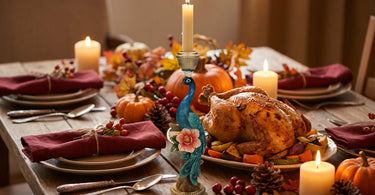
St. Martin's Eve is on 10 November, the evening before St. Martin's Day on 11 November. The tradition is to eat duck or goose, and along with Christmas Eve, the evening is one of the most steadfast traditions in Danish cooking.
Contents
- When is St. Martin's Eve, and what's the tradition all about?
- Dates for St. Martin's Eve in the coming years
- The history behind St. Martin's Eve: Martin of Tours and the geese
- The food for St. Martin's Eve: goose or duck
- How to set the table for St. Martin's Eve
- Mood: lanterns, real candles and a simple table runner
- Frequently asked questions
- Summary
St. Martin's Eve raises the same questions every year: when it falls, where the tradition comes from, and what should actually be on the table. In this guide, you'll get answers to it all, from the legend of Martin and the geese to concrete ideas for table setting and table decorations that suit the dark time of year.
When is St. Martin's Eve, and what's the tradition all about?
St. Martin's Eve always falls on 10 November, regardless of the day of the week, because the date is the evening before St. Martin's Day on 11 November. St. Martin's Day is the day of Martin of Tours' burial in Tours in the year 397, and that's the historical background for the whole tradition. Today, St. Martin's Eve is best known as an evening when families gather around the table and eat duck or goose, and where some places also hold a lantern procession in the dark. The food and the light go hand in hand, and both help make the evening something special in the middle of the dark time of year.
Dates for St. Martin's Eve in the coming years
St. Martin's Eve always falls on 10 November, but the day of the week changes from year to year. Below you can see the dates for the coming years:
| Year | Date | Day of the week |
|---|---|---|
| 2026 | 10 November | Tuesday |
| 2027 | 10 November | Wednesday |
| 2028 | 10 November | Friday |
The history behind St. Martin's Eve: Martin of Tours and the geese
The background for St. Martin's Eve is Martin of Tours, whose burial in Tours in the year 397 is celebrated on St. Martin's Day on 11 November. St. Martin's Eve, the evening before, has earned its own place in Danish tradition with roast goose and a lantern procession, and it's here that the story of Martin and the geese comes to life.
According to legend, Martin didn't want to become a bishop out of humility. He therefore hid in a goose pen to escape the task, but the geese's honking gave away where he was, so he was found and made bishop anyway. The story of the honking geese is why the goose has since become the symbol of the evening. The same story is also the reason why, in many places, children go on a lantern procession on the evening of 10 November, where light in the dark is a reminder that Martin, despite his hiding place, was eventually found.
The food for St. Martin's Eve: goose or duck
Traditionally, roast goose is eaten on St. Martin's Eve, and it's this dish that gave the evening its name in the kitchen. Today, though, it's roast duck that most often ends up on the table in Danish homes. This is clearly seen in the figures leading up to the evening, where around 600,000 ducks are sold compared to a couple of thousand geese. Duck has thus become the clearly most common choice, even though the name roast goose still sticks to the tradition and is used interchangeably for the evening's dish.
Alongside Christmas Eve, St. Martin's Eve is one of the most steadfast traditions in Danish cooking, and for many families, it's a fixed date every year to gather around this very dish, whether it ends up being duck or goose on the platter.
Tip: Put the sides out in their own dishes, so the duck or goose gets to be the main event on the table. Take a look at Serving Dishes to find a dish that matches your plates.
How to set the table for St. Martin's Eve
St. Martin's Eve falls in the dark time of year, and the table can happily match that with warm, deep colours. Plates and dishes in orange, yellow and red create a lovely atmosphere and also make a nice contrast to the goose or duck on the platter. Try, for example, Lemon stoneware plates from &Kleveringthat gives a bold and colourful expression, or set out an Orange dish in ceramic from &Klevering for bread or side dishes next to the main course.
Serving dishes and side dishes are best kept in their own dishes, so the table gets air and structure, and your guests can help themselves. If you need inspiration for the whole table setting, take a look at Table setting and Plates, and if you want to tie it all together with a bit of table decoration, Table decoration is a good place to start. If you'd like to mix several colours and shapes on the same table without it becoming messy, you'll find concrete tips in the guide on How to mix ceramics, colours and shapes on the table setting.
Find colourful table settings that suit St. Martin's Eve and the rest of autumn.
See table settingsMood: lanterns, real candles and a simple table runner
The lantern procession is a fixed part of St. Martin's Eve, and you can bring that same cosy mood to the table. Real candles in candlesticks give a gentle light that suits an evening when it's gone dark outside. Take a look at Candlesticks and Candles, if you need to stock up.
Keep the table decoration itself simple: a couple of dishes in autumn colours, some candles at different heights and perhaps a simple table runner is enough to bring the table together. If you want to build a more elaborate centrepiece, you'll find more ideas in the guide on Table decoration: how to build the centrepiece of your table, or get good advice on candlelight mood in How to create cosiness with real candles.
Frequently asked questions
When is St. Martin's Eve?
St. Martin's Eve is on 10 November, the evening before St. Martin's Day on 11 November.
Why do people eat duck on St. Martin's Eve?
The tradition is called Martin's goose, but today duck is by far the most common choice. Around 600,000 ducks are sold, compared to a couple of thousand geese, in the run-up to the evening.
What is St. Martin's Eve?
St. Martin's Eve is the evening of 10 November, which has its origins in the burial of Martin of Tours on 11 November in the year 397. The evening is celebrated with lantern processions and roast goose or duck.
Who was St. Martin?
St. Martin is Martin of Tours. According to legend, out of humility he didn't want to be a bishop and hid in a goose pen, but the geese's cackling gave him away, and he was made bishop anyway.
What do people eat on St. Martin's Eve?
Traditionally, roast goose is eaten, but nowadays roast duck is the most common choice on Danish dinner tables at St. Martin's Eve.
How do you decorate the table for St. Martin's Eve?
Use warm autumn colours on plates and dishes, put lit candles in candlesticks, and keep the table decorations simple, for example with a table runner.
Summary
St. Martin's Eve falls on 10 November, the evening before St. Martin's Day on 11 November, and the tradition is based on the story of Martin of Tours and the legend of the geese that betrayed him. Today the evening is celebrated with duck or goose, often with a lantern procession, and the table can easily become part of the atmosphere with autumn-coloured table settings, simple table decorations and lit candles.
Read also
- Table setting: How to set a beautiful table
- How to create cosiness with real candles
- Table decoration: how to build the centrepiece of your table
- How to mix ceramics, colours and shapes on the table setting
Ready to set the table for St. Martin's Eve?
At dims studio you'll find hand-picked table settings, table decorations and candlesticks that give St. Martin's Eve just the right atmosphere.
See all collections