
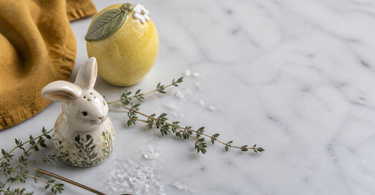
A salt and pepper set is one of the smallest kitchen items — and one of the most overlooked in interior styling. Hand-painted ceramic sets shaped like animals, fruit or sweets add character to the table without taking up much space. They work as a conversation starter, a collector's item and a gift all in one. Choose based on motif, colour palette and whether they should match or contrast with the rest of the table setting.
Salt and pepper are things that are always on the table — and yet the sets for them are rarely given much thought. That's a shame. A well-chosen salt and pepper set is one of the cheapest ways to give a set table some personality. It measures 10–15 cm and weighs next to nothing, but it draws the eye and starts conversations. Here's an overview of the most characterful types, what to look for in terms of material, and how to style them.
What makes a salt and pepper set interesting?
Most salt and pepper sets are made from ceramic, glass or plastic. Ceramic is by far the most common material in the characterful end of the market — and for good reason. Ceramic is heavy enough to stand steady, withstands repeated use, and the surface is well suited to detailed painting. Hand-painted sets typically show visible brushstrokes and variations from piece to piece, which is part of the charm.
A set usually consists of two pieces: one for salt and one for pepper. Most sets distinguish between them using the letters S and P — either embossed, painted or stamped on the base or side. The number of holes varies: the salt shaker traditionally has one hole, the pepper shaker three or more. This is because coarse salt clogs up too many holes, while finely ground pepper is best distributed through several smaller openings.
Tip: Check the number of holes when you buy: the salt shaker should have one larger hole, the pepper shaker three or more smaller ones. If the set isn't marked, you can try shaking a little out onto a dark surface — finely ground pepper is easy to recognise.
Animal-shaped sets — the most popular category
Animal-shaped salt and pepper sets are by far the best-selling in the category of figurative kitchenware. This is probably because animals give the set an inherent story: two cats sitting side by side, a duck and a duckling, a dog and a cat. The pairing is part of the concept.
The British manufacturer Quail Ceramics is one of the best-known names in hand-painted animal sets. All their pieces are hand-painted in England, and each set has a specific motif with a name and character traits — for example, the cat set Barney and Clementine. The level of detail is high: eye colour, fur texture and posture are rendered with a precision that borders on the world of porcelain figurines rather than standard kitchenware.
Besides cats, dogs, birds, frogs, rabbits and wolves are popular motifs. Animal salt & pepper sets appeal to a broad audience — from those who want a single fun detail on the table, to those who collect systematically and have eight to ten sets lined up in the kitchen.
Many start with one set and end up with a collection. It's not unusual for a collector to have sets organised by season or occasion — birds for spring, foxes for autumn. Quail salt & pepper range covers a wide spectrum of animals and colour palettes, so there's plenty of scope to build a collection with internal coherence.
Fruit and vegetable sets
After animals, fruit and vegetable motifs are the most common in the characterful end of the market. Tomatoes, lemons, avocados, mushrooms and corn on the cob are classics. Sets in this category typically have brighter colours and a more obviously kitchen-themed feel — they fit naturally on a table with colourful plates or in a kitchen with a Mediterranean-inspired look.
Fruit and vegetable salt & pepper sets range from simple, almost graphic renderings to highly detailed, hand-painted ceramics. Most in this category are cast in two halves and joined together, which creates a natural indentation at the top for the holes.
Feel free to combine a fruit-motif salt and pepper set with plates and bowls in matching colours for a cohesive table without it becoming too uniform.
Ceramics and craftsmanship: what should you look for?
The quality of a ceramic salt and pepper set depends primarily on three factors: the body (the clay mass), the glaze and the painting.
Clay type
Most figurative sets are made from stoneware or earthenware. Stoneware is fired at higher temperatures (typically 1200–1300 °C) and is denser and more robust than earthenware, which is fired at 1000–1150 °C. Earthenware is easier to shape and therefore more widely used for detailed figures, but requires a dense glaze so it doesn't absorb moisture.
Glaze and painting
Hand-painted sets have the paint applied either underneath the glaze (in-glaze) or on top of it (overglaze). In-glaze colours are more durable and cope better with washing up. Overglaze colours are often more vivid but can wear over time. Most hand-painted sets from European manufacturers recommend hand washing to preserve the detail.
Assembly and tightness
A good figurative set is cast in two halves and joined before firing — not glued together afterwards. Look for an even joining line and consistent glaze across the join. If the glaze is missing or thick at the join, that's a sign of lower production quality.
| Clay type | Firing temperature | Robustness | Typical use |
|---|---|---|---|
| Earthenware | 1000–1150 °C | Medium | Detailed figures, overglaze painting |
| Stoneware | 1200–1300 °C | High | Robust shapes, dense body |
| Porcelain | 1260–1400 °C | High (but brittle) | Fine details, translucent body |
Table styling
A figurative salt and pepper set doesn't need to match everything else on the table — in fact, it works best as a standalone piece with a bit of space around it. Place the set in the middle of the table or next to the bread, not squeezed in between plates and glasses.
The colour palette is the primary styling parameter. A set in earthy and terracotta shades works well with plates in natural tones. A set in bright yellow or cobalt blue can be used as a pop of colour against a neutrally set table.
If you want a more cohesive kitchen look, you can build on it with other figurative elements: egg cups in the same style, a jug with a matching motif, or kitchen-accessories in the same colour palette. It doesn't require all pieces to be from the same producer — it just needs a common reference point, e.g. colour or motif.
Tip: Place the set on a small tray or coaster when it's not in use. This visually brings the two pieces together and stops them being pushed apart from each other in the kitchen.
Salt and pepper sets as a gift
A figurative salt and pepper set is one of those categories that consistently works as a gift — for a housewarming, as a hostess gift, or for someone who's hard to buy for. It's practical and useful, but has enough personality not to feel generic.
Price-wise, most hand-painted ceramic sets fall within the 150–400 DKK range, which is comparable to a good bottle of wine but with a much longer lifespan on the table. Choose the motif based on the recipient: a dog owner will appreciate a dog set, while a garden enthusiast might love a vegetable motif.
If you want to put together a gift with more substance, you can combine a salt and pepper set with a couple of matching items from Eja or a set of candlesticks in the same colour palette. This elevates the gift without making it overwhelming.
Frequently asked questions
How many holes should a salt shaker have?
Traditionally just one — this stops coarse salt from getting stuck. The pepper shaker typically has three or more smaller holes, so that finely ground pepper is distributed evenly. Some modern sets deviate from this convention, so always check for S/P markings or count the holes before filling up.
Can hand-painted ceramic sets go in the dishwasher?
Most hand-painted sets with overglaze decoration are recommended for hand washing. The dishwasher's high temperatures and alkaline detergents can break down the detail in the colour layer over time. Sets with in-glaze colours are more durable, but the manufacturer should always specify this on the packaging.
How do I tell the salt shaker from the pepper shaker if the set isn't labelled?
Shake a little out onto a dark surface. Finely ground black pepper is easily recognisable. Alternatively: hold the shaker up to the light and count the holes. One large hole = salt, three or more smaller ones = pepper. Many hand-painted sets have the letters embossed or painted on the base.
Are animal-shaped sets only for families with children?
Not at all. Detailed, hand-painted animal sets from producers like Quail Ceramics are aimed primarily at adult collectors and interior design enthusiasts. The craftsmanship and level of detail match decorative figurines — these are kitchen utensils with artistic flair, not toys.
What does a good hand-painted salt and pepper set cost?
Hand-painted ceramic sets from European producers typically fall within the 150–400 DKK range. The price mainly reflects the time spent on the painting. Mass-produced sets are cheaper but rarely have the same level of detail. The set is long-lasting and doesn't drop in price the way everyday items typically do.
Can you collect salt and pepper sets?
Yes — it's actually a widespread practice. Many people start with one set and gradually build up a collection organised by theme (animals, fruits, seasons) or producer. A collection of five to eight sets displayed on a kitchen shelf works as a kind of miniature gallery and changes character as the collection grows.
Summary
A salt and pepper set is one of the smallest elements on a laid table — and one of the quickest to reveal whether thought has gone into the details. Hand-painted ceramic sets in figurative motifs, especially animals and fruits, add character without requiring a big investment in either space or money. Choose based on motif, colour palette and quality of finish. Look at the number of holes and the type of glaze. And consider whether the set should stand alone as a single detail — or become part of a growing collection that gradually tells its own little story on the kitchen shelf.
Explore our range of salt & pepper sets — from hand-painted animal sets to fruit motifs in ceramic.