
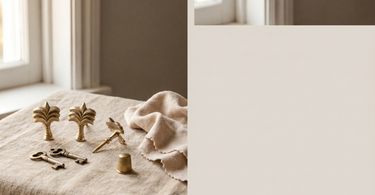
Brass is easily polished with a household trick: a paste of lemon juice and baking powder or vinegar and salt. Rub gently on with a soft cloth, rinse with water, and dry completely straight away. Avoid abrasive agents that scratch. Lacquered brass should only be wiped with a damp cloth, acid removes the lacquer.
Brass is beautiful, warm and classic, but over time it becomes dark and dull. The good news is that you rarely need expensive products to bring back the shine. A couple of household tricks from the kitchen cupboard do most of the work. Here are the methods that work, and the mistakes you should avoid.
Why does brass tarnish?
Brass is an alloy of copper and zinc. When the surface meets oxygen and moisture in the air, a dark layer forms, tarnish. This is completely natural and doesn't harm the metal; it's just a cosmetic layer that you can easily remove. Many people actually think the natural patina is beautiful and deliberately let their brass age.
Lemon and baking powder
The gentlest method, perfect for light tarnish.
- Mix lemon juice with a little baking powder into a loose paste.
- Rub the paste gently onto the brass with a soft cloth.
- Let it work for a moment, and keep rubbing gently.
- Rinse thoroughly with clean water, and dry completely straight away.
Vinegar and salt
A little stronger, good for more stubborn tarnish.
- Mix household vinegar with a pinch of salt.
- Dip a cloth, and rub the brass.
- Rinse well afterwards, so all the acid is gone, and dry completely.
Tip: Always dry the brass completely dry after cleaning. If water droplets are left behind, they can leave new marks when they dry in.
Overview of methods
| Method | Strength | Best for | Watch out for |
|---|---|---|---|
| Lemon + baking powder | Mild | Slight tarnish | Rinse off thoroughly |
| Vinegar + salt | Medium | Stubborn tarnish | Unlacquered brass only |
| Brass polish | Strong | Heavy discolouration | Follow instructions |
| Damp cloth | Mildest | Lacquered brass | No acid |
Lacquered or unlacquered?
It's crucial to know whether your brass is lacquered. Unlacquered brass tarnishes and can be polished with household remedies. Lacquered brass has a protective clear coating that keeps the shine, but acid from lemon and vinegar destroys the lacquer and causes patchy discolouration. Lacquered brass should therefore only be wiped with a damp cloth and, if needed, a little mild washing-up liquid.
If in doubt: if the brass never tarnishes, it's probably lacquered.
Frequently asked questions
What's the easiest way to polish brass?
With a paste of lemon juice and baking powder, or vinegar and salt. Rub on with a soft cloth, rinse off, and dry completely.
Can I use kitchen products?
Yes – lemon, vinegar, salt and baking powder work well on unlacquered brass. Avoid scouring agents and scouring pads, as they scratch the surface.
Why does my brass go dark?
Because the surface reacts with oxygen and moisture in the air and forms tarnish. It's natural and can easily be polished away again.
Can I polish lacquered brass with lemon?
No. The acid damages the lacquer and causes stains. Lacquered brass should only be wiped with a damp cloth.
How do I stop brass from tarnishing again?
Keep it dry, and wipe it regularly. A thin layer of microcrystalline wax can slow down new tarnish on unlacquered brass.
Summary
Unlacquered brass is easily polished with lemon and baking powder or vinegar and salt – rub gently, rinse, and dry completely. Avoid scouring agents, and keep acid away from lacquered brass, which can only withstand a damp cloth. Tarnish is natural and completely harmless; it's up to you whether you want to polish it away or let the brass develop a beautiful patina.
Read also
- Brass in interior design: timeless and elegant
- What's the difference between ceramics and porcelain?
- When do you put a candle in the window?
Find brass details that develop a beautiful patina among our hooks and knobs in brass.