
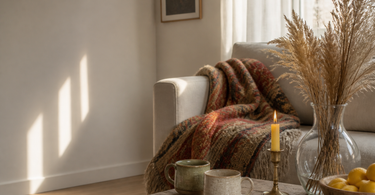


Hygge is more than just a word—it’s a feeling, an atmosphere, and a central part of Danish culture. While the rest of the world has tried to translate the concept, we in Denmark have lived with it our whole lives. Hygge is the warmth you feel when the lights are dimmed, the coffee is hot, and there’s no reason to rush anywhere.
What is hygge, really?
At its core, hygge is about presence and well-being. It’s about creating an environment that invites you to relax and be fully present. It could be a quiet evening alone with a book and a blanket, or a long dinner with friends where conversation flows freely and the candles burn down.
Hygge doesn’t require expensive things or perfect decor. It requires an awareness of what makes you feel comfortable. But the right decor can make it easier to find that feeling—and this is where the details of your home come into play.
Candles and Candleholders: The Heart of Hygge
Denmark is the world’s largest consumer of candles per capita, and that’s no coincidence. Candlelight transforms any room. The soft, flickering glow creates an intimacy that no lamp can match.
Candles in various sizes and shapes allow you to vary the ambiance according to the season and your mood. Short block candles on the dining table, tall taper candles in candlesticks on the dresser, and glass candleholders with tea lights on the windowsill—the possibilities are endless.
Choose candlesticks that speak to you. Some prefer classic brass, others love ceramics with raw surfaces or sleek designs in black iron. The important thing is that they get used—candle holders aren’t meant to sit around gathering dust.
Rugs and throws: Soft layers of comfort
As the temperature drops, the need for soft surfaces rises. A thick rug under the coffee table makes it tempting to sit on the floor. A throw draped over the arm of the sofa is a quiet invitation to wrap yourself up.
The materials make all the difference. Wool is warm and has a natural weight that feels enveloping. Cotton is lighter and perfect for those mild spring evenings. Alpaca is the ultimate luxury choice—soft, warm, and with a silky sheen. Regardless of the material, it’s all about having something to wrap yourself in as evening falls.
How do you create coziness at home?
Coziness starts with light and temperature. Dim the overhead lighting and light some candles. Make sure there are warm textiles within reach. Have your favorite mug ready for tea, cocoa, or coffee—the very ritual of making a hot drink is cozy in itself.
Table setting is an underrated cozy factor. Setting the table nicely—even for an everyday dinner—signals that the meal is important. Beautiful plates and bowls and a pitcher for water make it all a little more special.
Music in the background, a fragrant plant on the table, soft light from multiple sources—it’s the little things that together create the atmosphere we call hygge. It doesn’t require much effort, just a little mindfulness.
Seasonal hygge
Hygge changes character with the seasons, and that’s part of its charm. Winter hygge is deep and dark—heavy throws, lots of Candles and warm food. Spring coziness is simpler—fresh flowers in a vase, open windows, and bright evenings.
In the summer, the coziness moves outdoors: lanterns in the garden, a decorated patio, and long dinners under the open sky. Autumn hygge is about celebrating the change—lighting the first candles again, pulling out the throws, and enjoying the shorter days with warm drinks.
By adapting your home to the seasons, you keep the hygge alive all year round. It doesn’t have to involve major changes—just a new set of candles, a different-colored throw, or fresh flowers can mark the transition.
FAQ about hygge in the home
Does it cost a lot to make your home cozy?
No. The coziest elements are often the simplest: candles, a nice throw blanket, and a warm drink in a beautiful cup. It’s about atmosphere, not price.
Can you have hygge in a modern home?
Absolutely. Hygge is about the feeling, not the style. A modern home with soft textiles, candlelight, and thoughtful details can be just as cozy as a traditional Danish home.
What are the most important elements of hygge?
Candlelight, soft textiles, warm drinks, and togetherness. If you have candlesticks, a nice blanket, and a favorite mug, you’ve got the foundation for hygge in place.
