
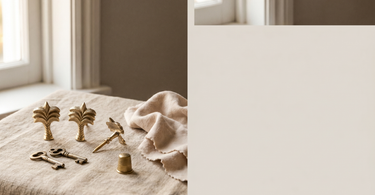
Brass is easily polished with a household trick: a paste of lemon juice and baking powder or vinegar and salt. Rub on gently with a soft cloth, rinse with water, and dry completely straight away. Avoid abrasive cleaners that scratch. Lacquered brass should only be wiped with a damp cloth – acid removes the lacquer.
Brass is beautiful, warm and classic – but over time it becomes dark and dull. The good news is that you rarely need expensive products to bring back the shine. A few household tricks from the kitchen cupboard do most of the work. Here are the methods that work – and the mistakes to avoid.
Why does brass tarnish?
Brass is an alloy of copper and zinc. When the surface meets the oxygen and moisture in the air, a dark layer forms – tarnish. This is completely natural and doesn't damage the metal; it's just a cosmetic layer that you can easily remove. Many people actually think the natural patina is beautiful and let their brass age on purpose.
Lemon and baking powder
The gentlest method – perfect for light tarnish.
- Mix lemon juice with a little baking powder into a loose paste.
- Rub the paste gently onto the brass with a soft cloth.
- Let it sit for a moment, and keep rubbing gently.
- Rinse thoroughly with clean water, and dry completely straight away.
Vinegar and salt
A little stronger – good for more stubborn tarnish.
- Mix household vinegar with a pinch of salt.
- Dip a cloth, and rub the brass.
- Rinse well afterwards so all the acid is gone, and dry completely.
Tip: Always dry the brass completely after cleaning. If water droplets are left behind, they can leave new marks as they dry.
Overview of methods
| Method | Strength | Best for | Watch out for |
|---|---|---|---|
| Lemon + baking powder | Mild | Light tarnish | Rinse well |
| Vinegar + salt | Medium | Stubborn tarnish | Only unlacquered brass |
| Brass polish | Strong | Heavy discolouration | Follow instructions |
| Damp cloth | Mildest | Lacquered brass | No acid |
Lacquered or unlacquered?
It's essential to know whether your brass is lacquered. Unlacquered brass tarnishes and can be polished using household remedies. Lacquered brass has a protective clear coating that keeps its shine – but acid from lemon and vinegar destroys the lacquer and causes patchy discolouration. Lacquered brass should therefore only be wiped with a damp cloth and perhaps a little mild washing-up liquid.
If in doubt: if the brass never darkens, it's probably lacquered.
Frequently asked questions
What's the easiest way to polish brass?
With a paste of lemon juice and bicarbonate of soda, or vinegar and salt. Rub on with a soft cloth, rinse off, and dry completely.
Can I use kitchen products?
Yes – lemon, vinegar, salt and bicarbonate of soda work well on unlacquered brass. Avoid abrasive cleaners and scouring pads, which scratch the surface.
Why does my brass go dark?
Because the surface reacts with oxygen and moisture in the air, forming tarnish. It's natural and can easily be polished away again.
Can I polish lacquered brass with lemon?
No. The acid destroys the lacquer and causes stains. Lacquered brass should only be wiped with a damp cloth.
How do I stop my brass tarnishing again?
Keep it dry, and wipe it down regularly. A thin layer of microcrystalline wax can slow new tarnish on unlacquered brass.
Summary
Unlacquered brass is easily polished with lemon and bicarbonate of soda, or vinegar and salt – rub gently, rinse, and dry completely. Avoid abrasive cleaners, and keep acid away from lacquered brass, which can only tolerate a damp cloth. Tarnish is natural and completely harmless; it's up to you whether you polish it away or let the brass develop a beautiful patina.
Read also
- Brass in interiors: timeless and elegant
- What's the difference between ceramics and porcelain?
- When do you put candles in the window?
Discover brass details that develop a beautiful patina among our brass hooks and knobs.